Bioinspired metabolism
& aging.
Our research focuses on understanding the molecular mechanisms that shape metabolic landscapes — from individual cells to whole organisms. We integrate imaging, genetics, and biochemical approaches to investigate how metabolism is regulated across scales of biological organization.
We are especially interested in how animals adapt to extreme metabolic challenges — like prolonged starvation or high-nutrient environments — and what these adaptations reveal about aging, liver health, and metabolic disease.
Model System
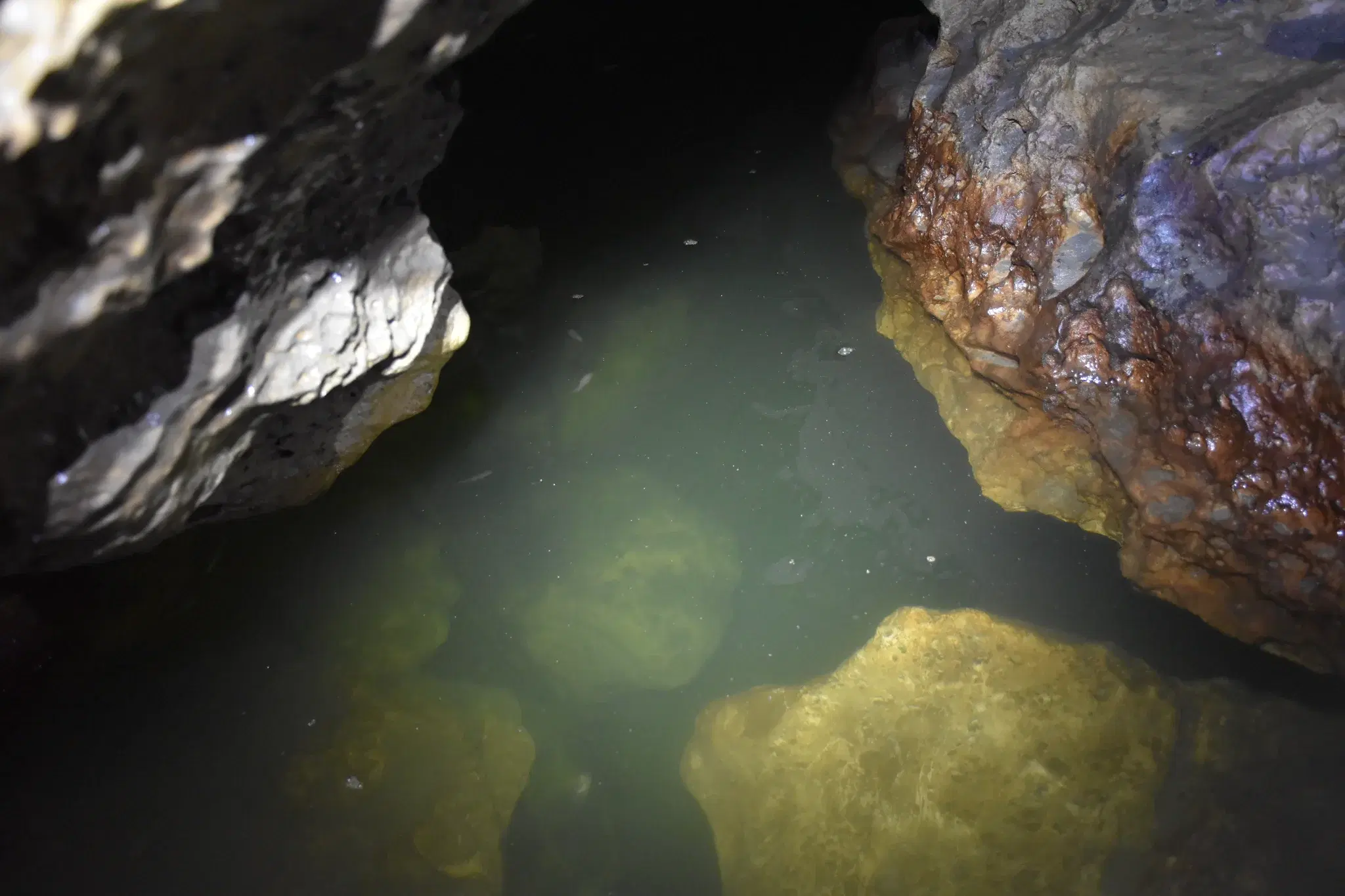
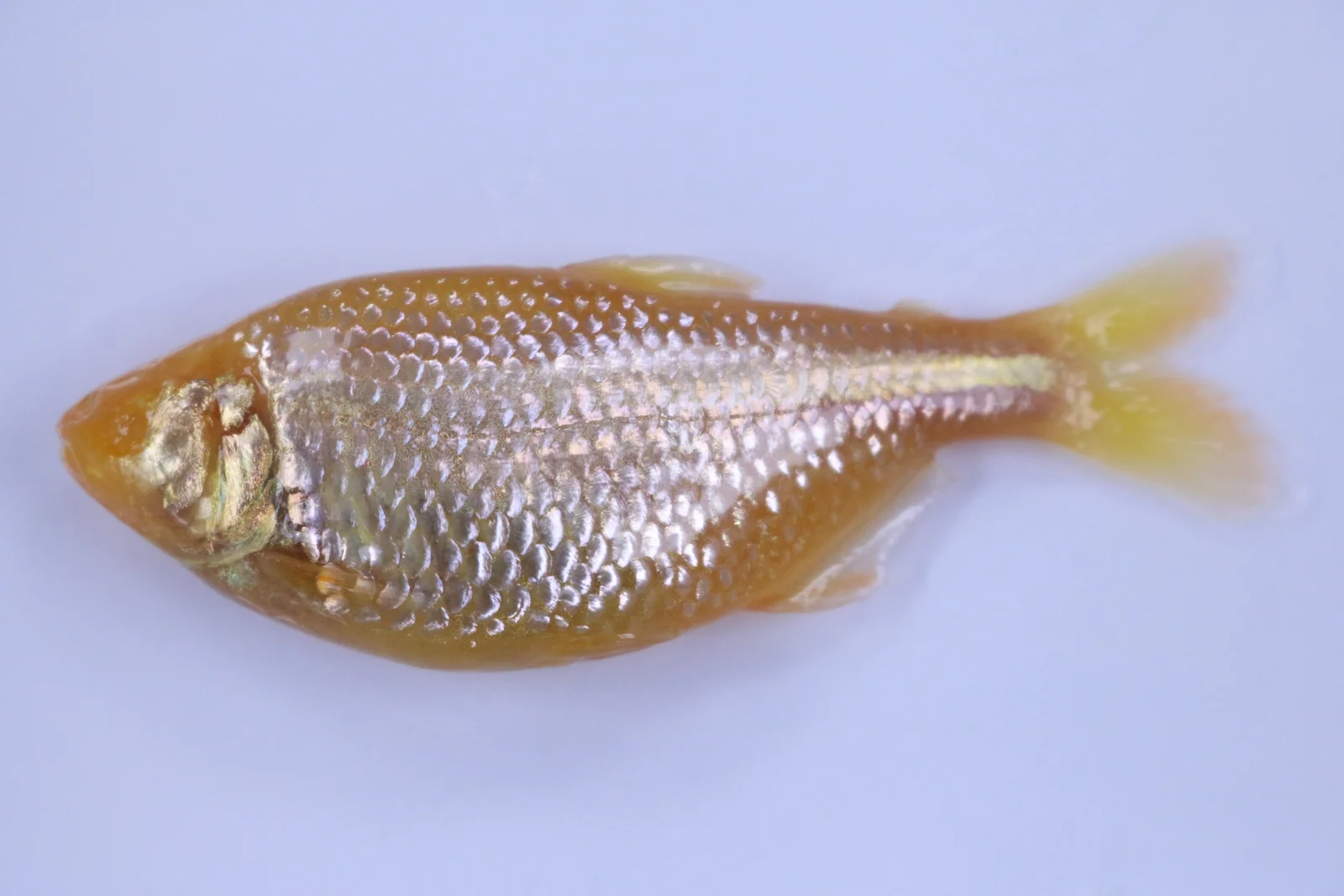
Astyanax mexicanus (Pachón Cave)
The Three Research Pillars
From evolutionary timescales to cellular mechanics and translational impacts.
Metabolic Adaptation Across Timescales
We study how metabolic flexibility evolved and how it operates from single cells to whole organisms. Using the cavefish Astyanax mexicanus — naturally starvation-resistant — we probe the molecular basis of metabolic resilience that evolved over millions of years in nutrient-scarce cave environments.
Cavefish, Diet & the Liver Microbiome
Active projects explore how high-fat and high-glucose diets affect liver physiology and the microbial communities within the liver, and how starvation challenges reveal protective mechanisms. We integrate cutting-edge multi-omic techniques to uncover host-microbe metabolic interactions.
Insights for Human Metabolic Disease
By identifying how metabolism stays stable under conditions that cause dysfunction in other animals, our work aims to uncover new biological principles relevant to Type 2 diabetes, obesity, fatty liver disease, and age-related metabolic decline — illuminating natural solutions to human health challenges.
Surface vs. Cave Morph Divergence.
By maintaining both surface and cave morph colonies in parallel, we dissect the genetic and physiological shifts that took place when surface tetras colonized dark subterranean rivers ~20,000 years ago.
Cave Morph (Pachón Cavefish)
Subterranean Rewiring
Phenotypic Divergence Schematic
Comparative Functional Anatomy
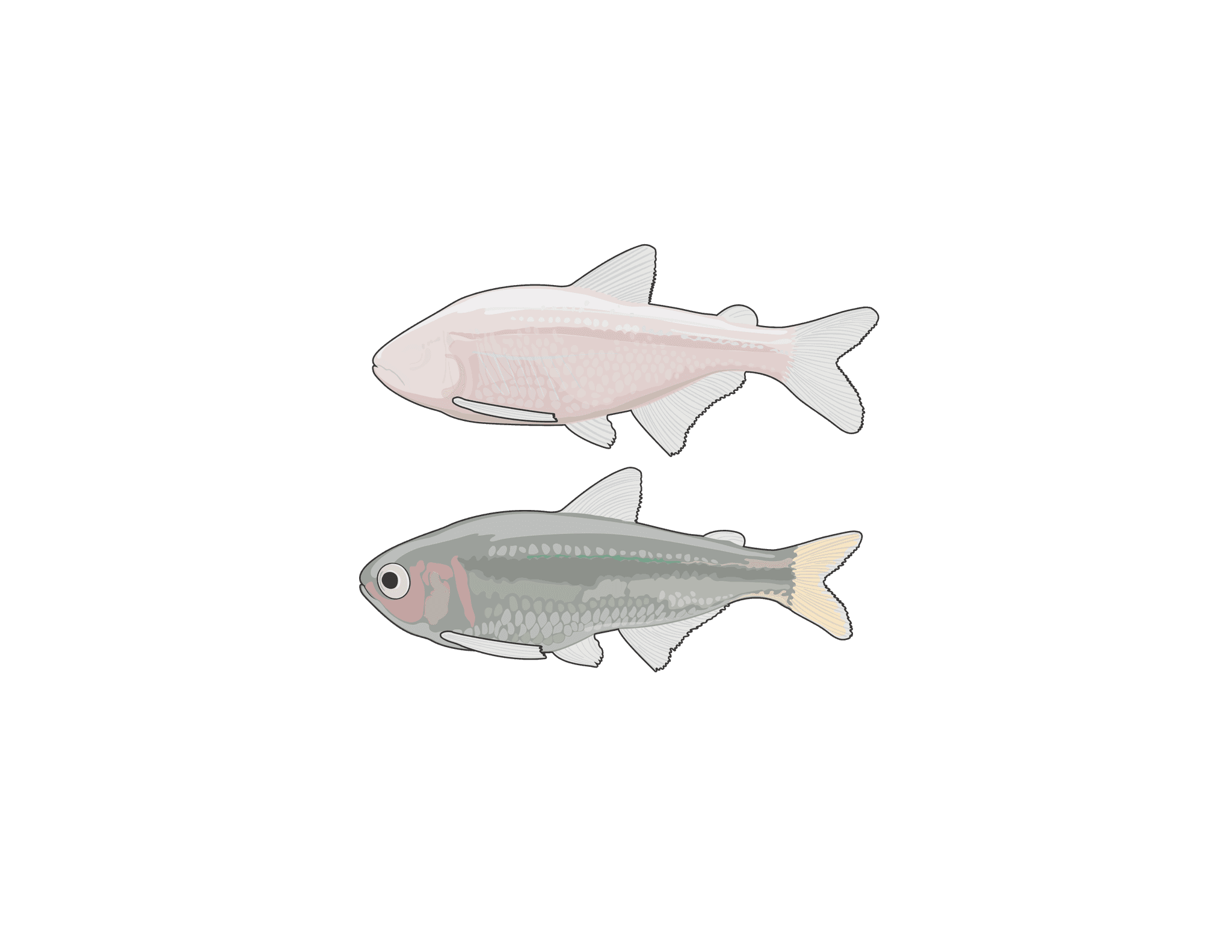
Pax6 & Shh signaling cascade alterations trigger progressive lens apoptosis in cave embryos.
Compensatory proliferation of cranial neuromasts and asymmetric sub-orbital bone fusion.
Up to 300% increase in extra-oral taste buds across the ventral jaw and head surface.
Sierra de El Abra Field Expeditions.
Field biology provides the essential ecological context for our laboratory observations. From turbulent epigean river canyons to subterranean karst pools plunged in absolute darkness, explore the wild habitats where Astyanax evolved.
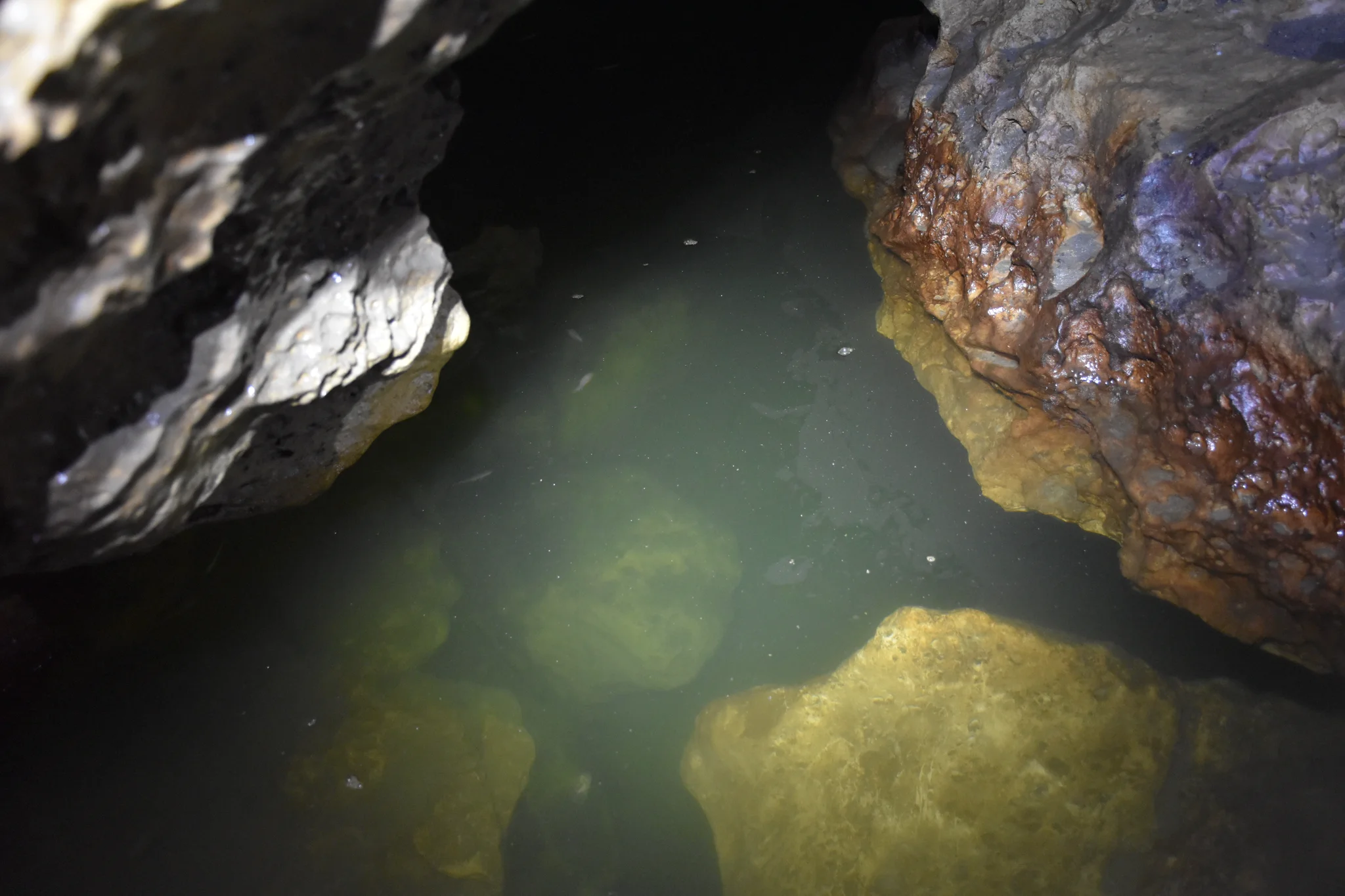
Subterranean Limestone Pool
Deep subterranean karst pool where nutrient-deprived cave populations evolved specialized metabolic adaptations.
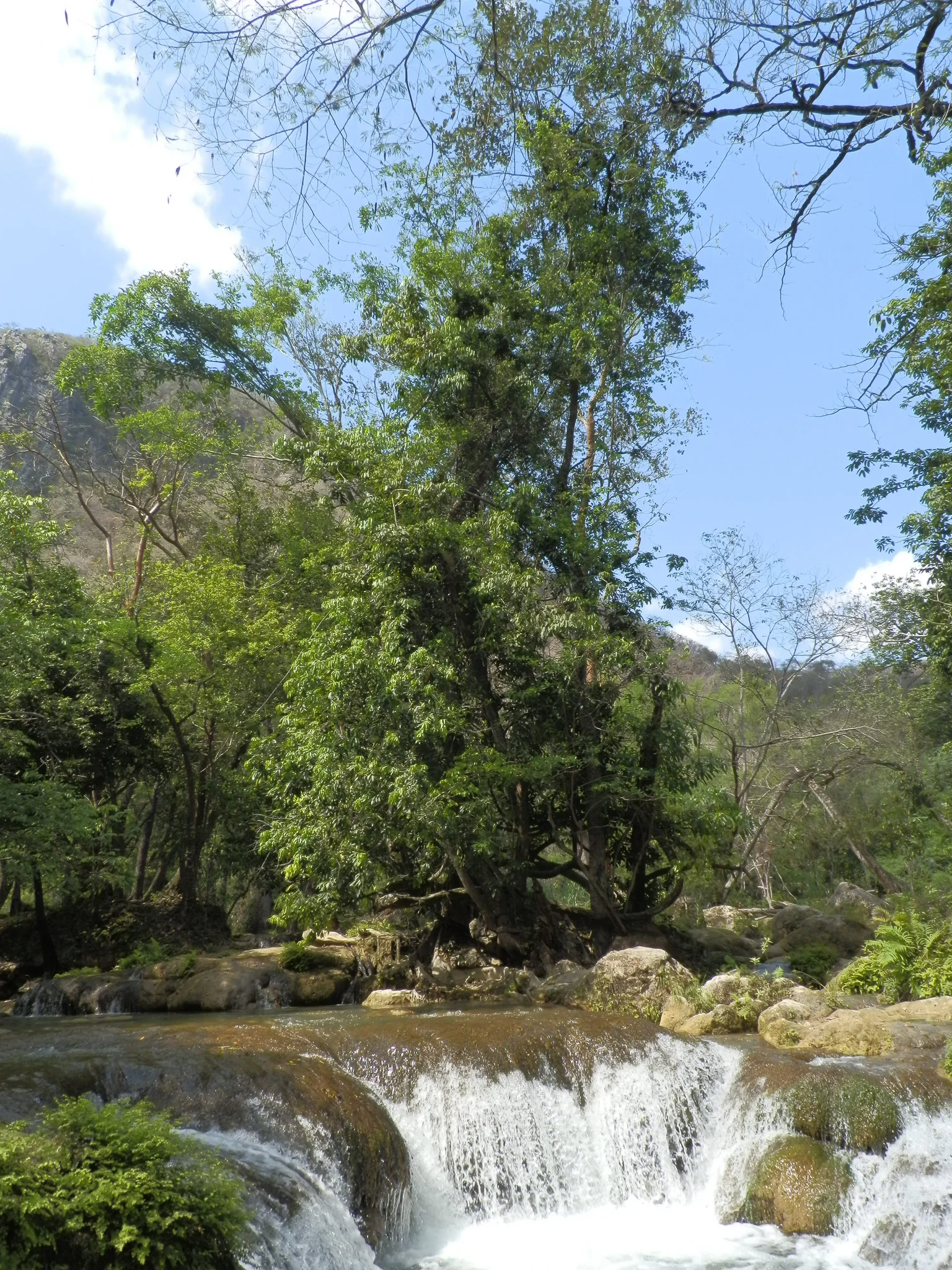
Subtropical River Fall
Dynamic vertical flow sustaining oxygenated surface streams in the Huasteca region.
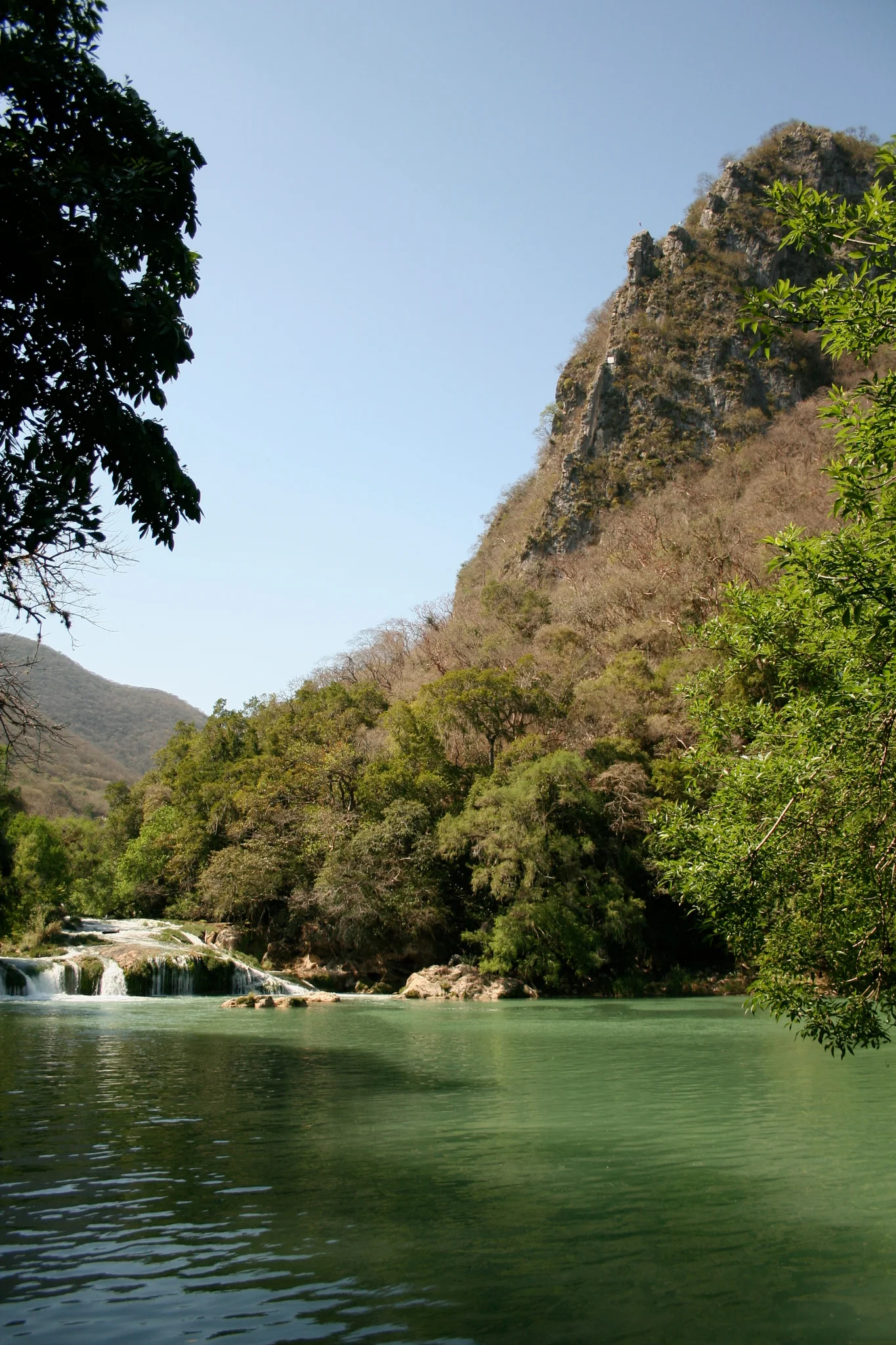
Sierra de El Abra River Canyon
Natural sunlit habitat of ancestral surface tetra populations with abundant seasonal food and light.
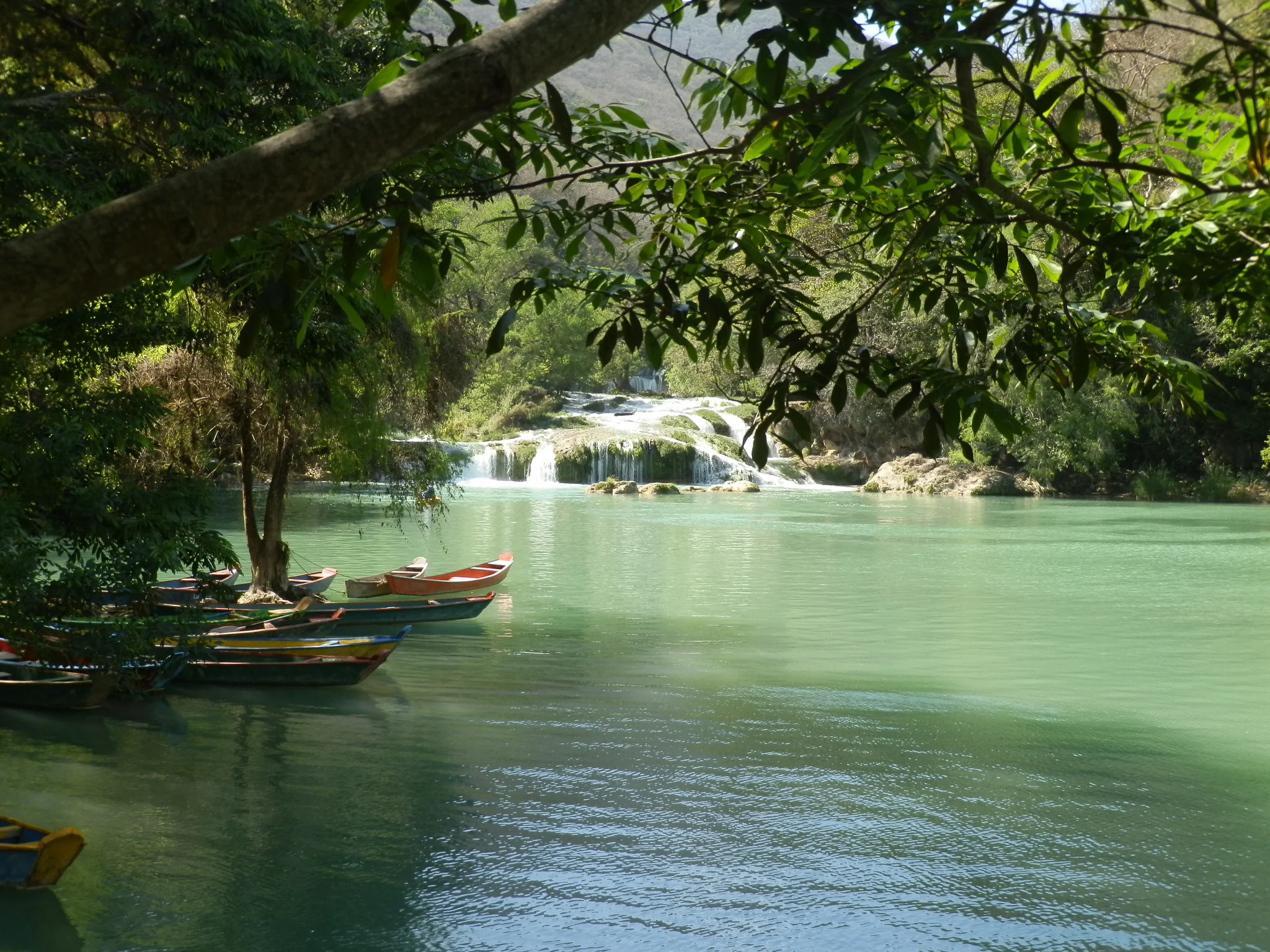
Micos River Expedition
Research expeditions navigating remote river and cave access points for ecological sampling and water monitoring.
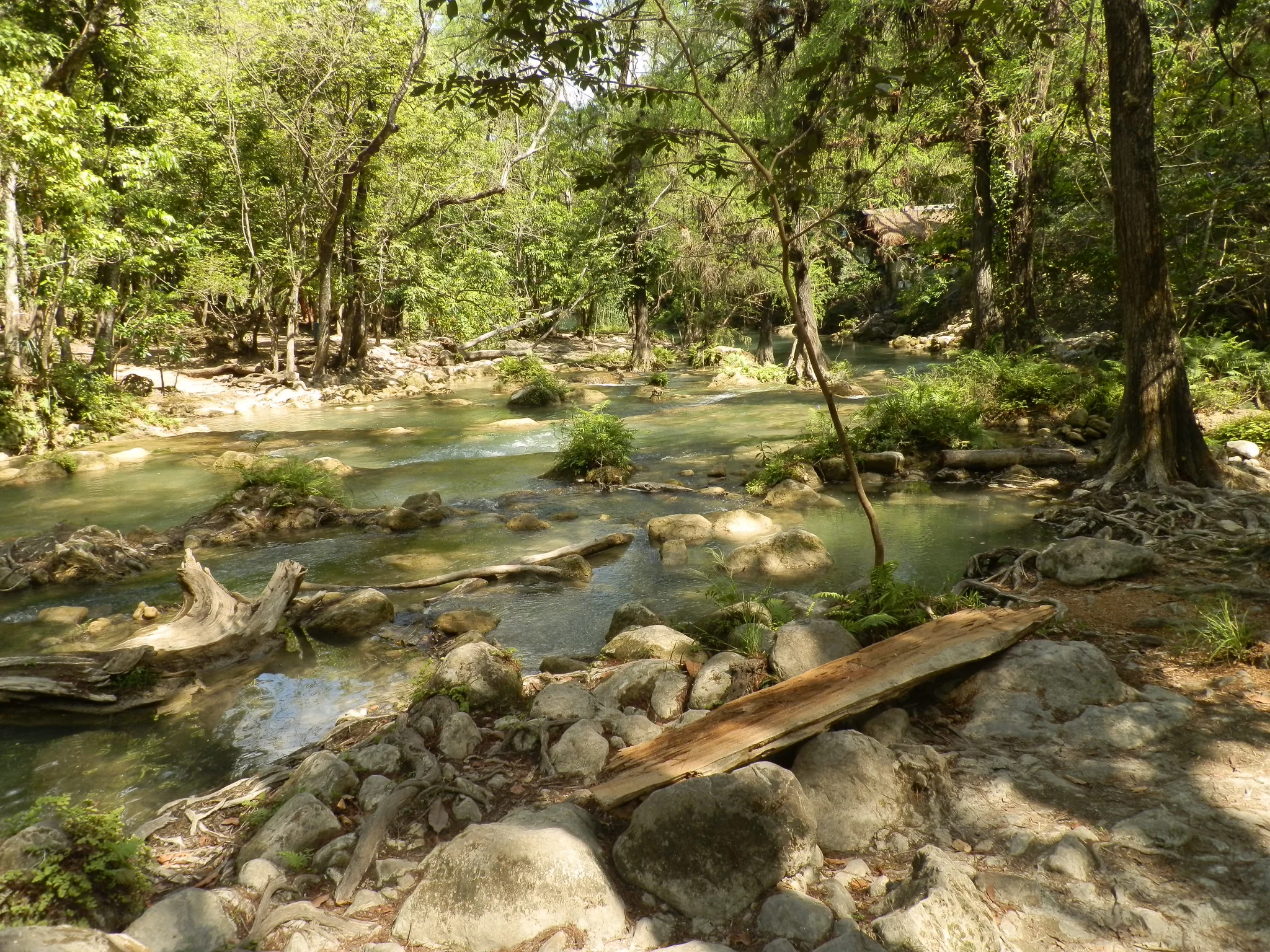
Crystal Forest Stream
Clear stream channel providing baseline ecological data for comparative water chemistry and diet analysis.
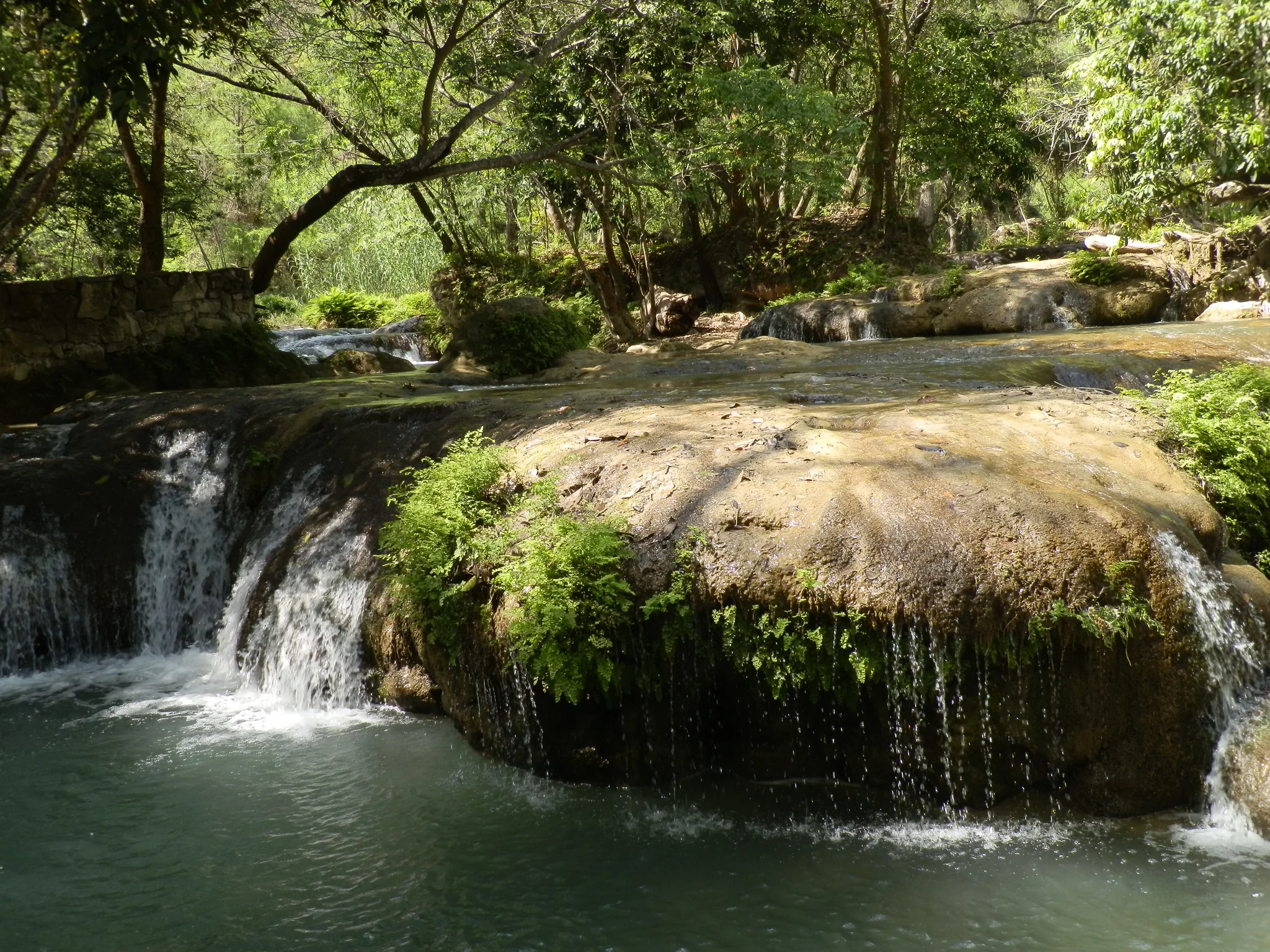
Travertine Cascades & Pools
Natural travertine waterfalls defining the physical boundary between surface river networks and subterranean karst entry points.
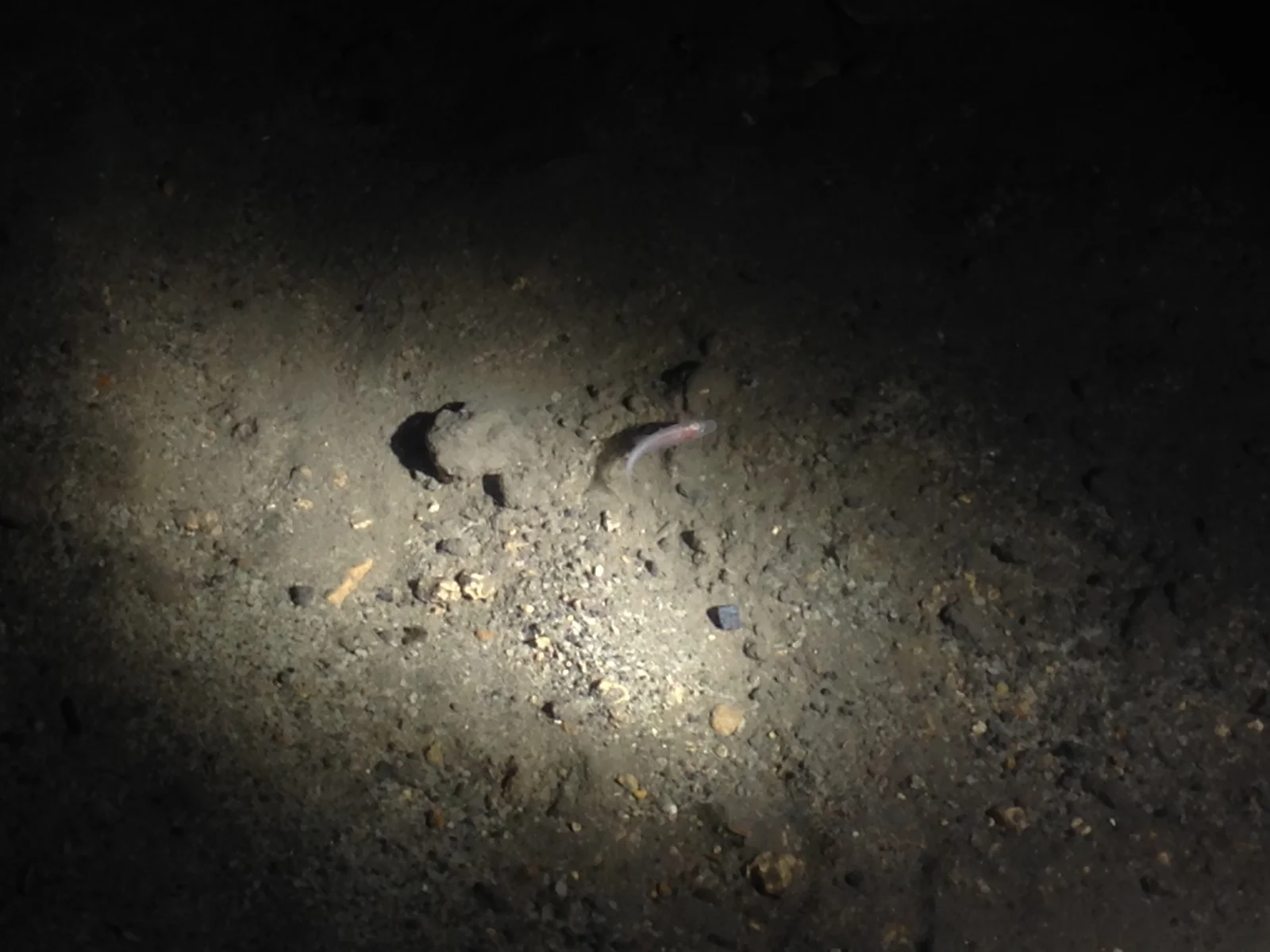
In-Situ Cave Foraging
Wild cavefish navigating completely by mechanosensory vibration and olfactory cues in total darkness.
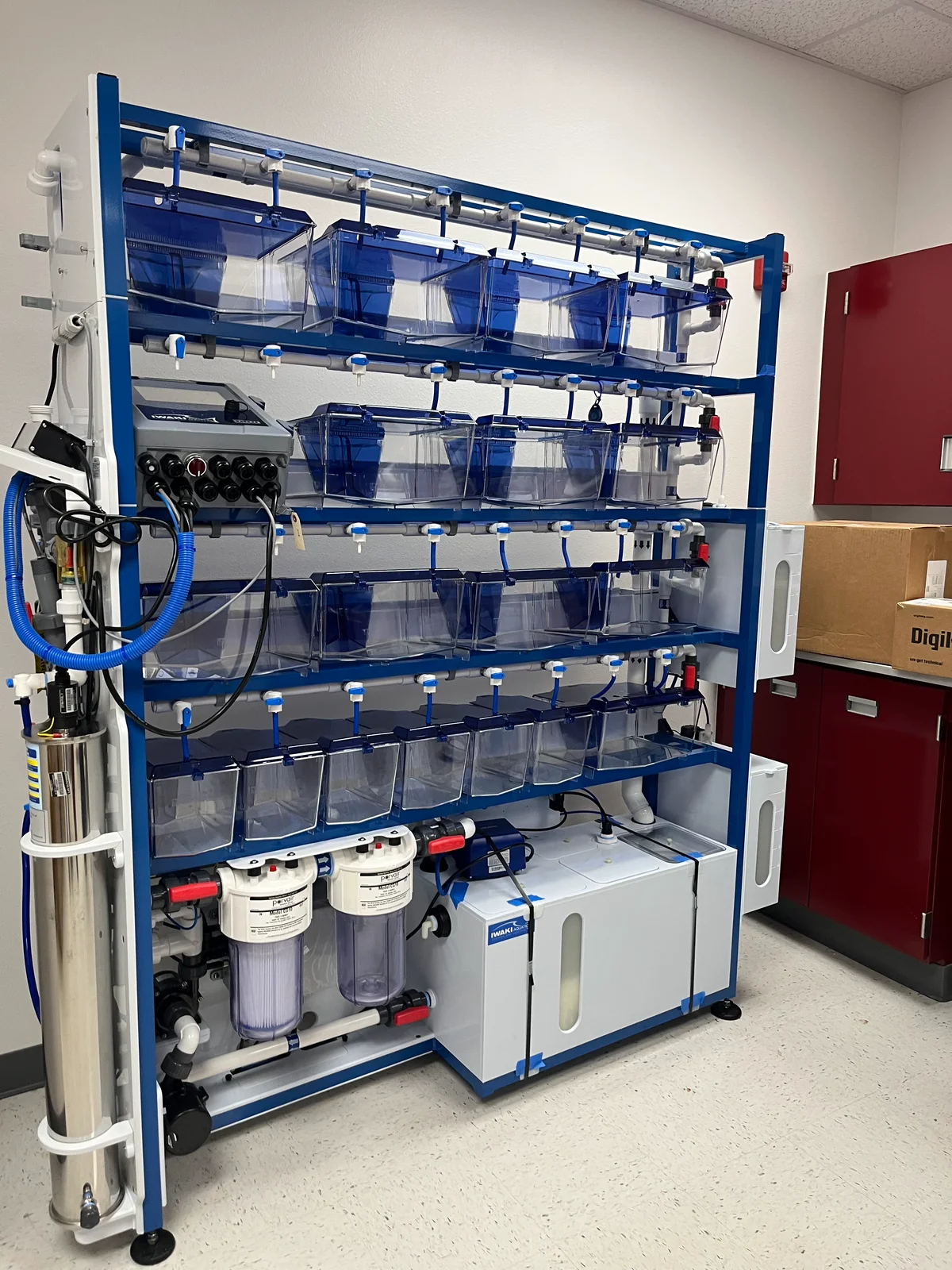
Custom Controlled Colony Infrastructure
State-of-the-Art Aquatic Colony System.
Our laboratory at West Texas A&M University houses dedicated breeding and experimental colonies in a custom Iwaki Aquatic multi-tier recirculating system. The facility features automated biological, mechanical, and UV filtration along with precise temperature, conductivity, and photoperiod regulation.
This rigorous husbandry infrastructure ensures stable, reproducible conditions for testing dietary variations, starvation challenges, microbiome dynamics, and metabolic phenotypes across surface and cavefish populations.
Closed-loop water quality monitoring for colony health.
Standardized regimes for chronic metabolic assays.